Objective
This report aims to analyze 13 creative strategies used in-game ads, focusing on how different ad styles capture user attention, drive engagement, and effectively showcase gameplay. By categorizing these ad types, the report aims to provide insights into successful ad mechanics that can inspire future ad designs and optimize user acquisition strategies.
The ad impressions data presented here is based on the past 90 days, as recorded by AppMagic
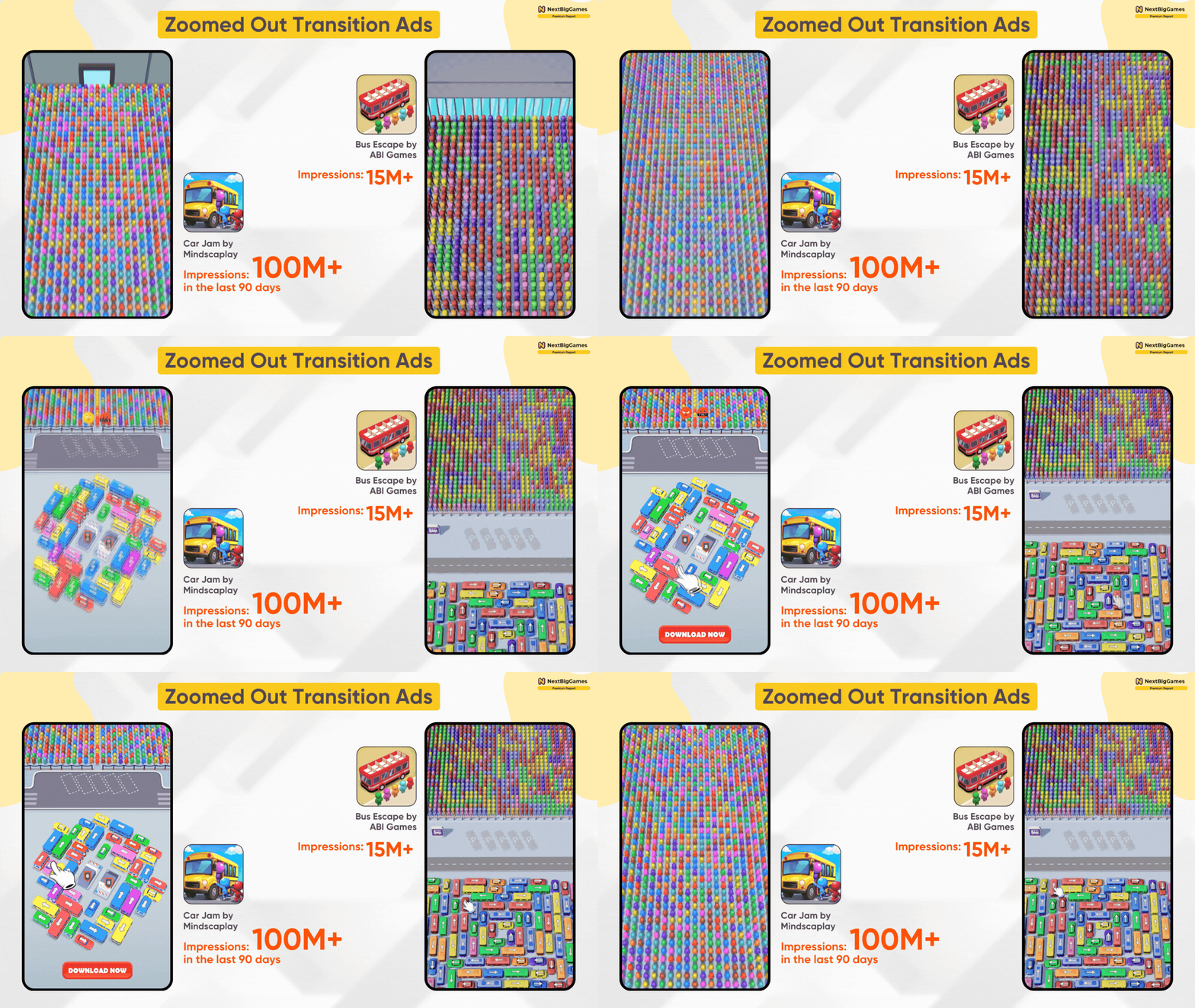
1. Zoomed Out Transition Ads
These ads start with a close-up of an intense or chaotic scene—like a crowd or battlefield—and then zoom out to reveal the gameplay. The smooth transition draws attention and creates curiosity before showcasing the core mechanics.
2. Engaging Hooks
Designed to capture attention within seconds, these ads use curiosity, humor, or unexpected twists—like unfinished actions or high-stakes moments—to keep viewers watching and spark interest in the game.
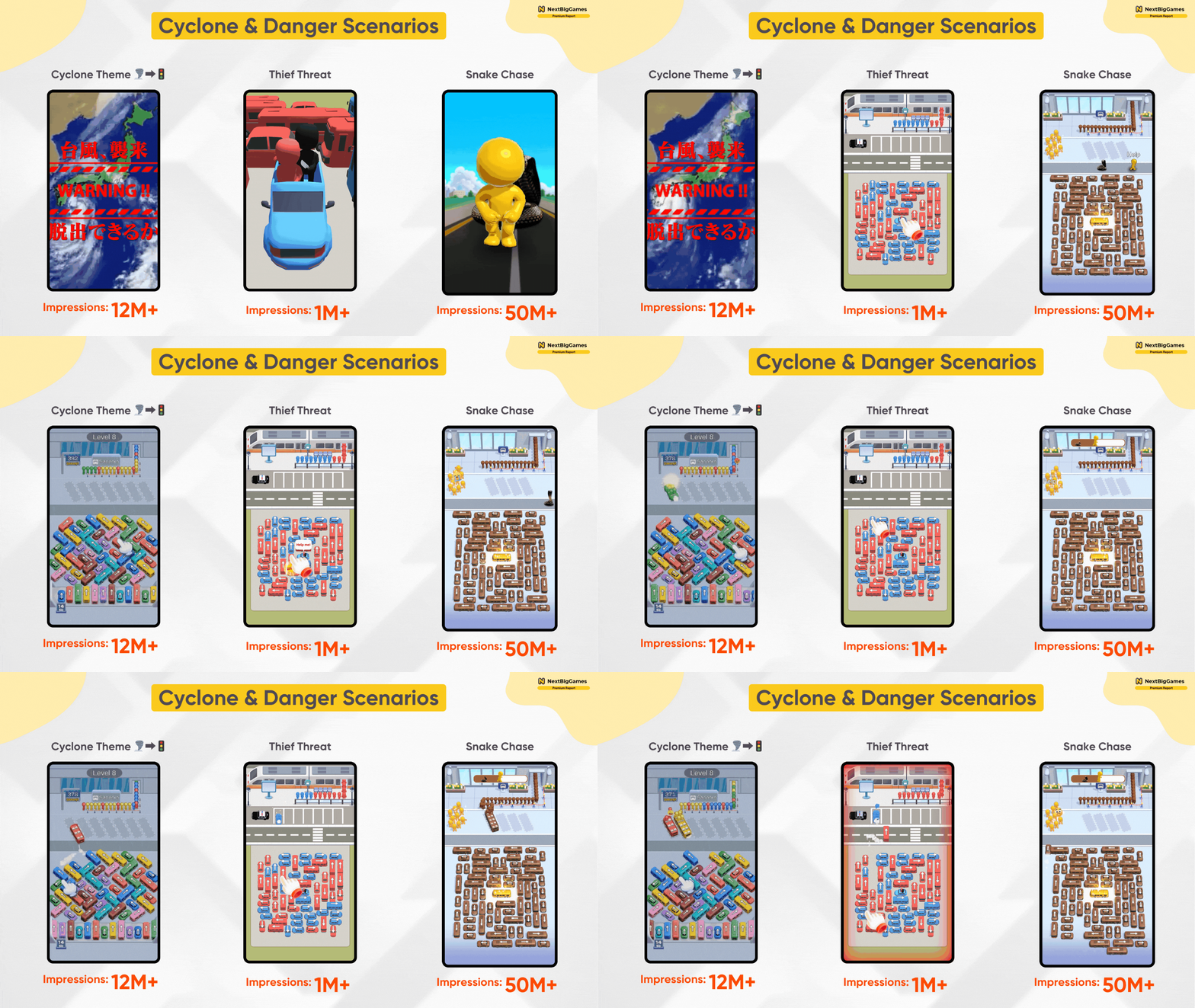
3. Cyclone & Danger Scenarios
Starting with an emergency or life-threatening event—like a cyclone warning, natural disaster, or a character being threatened—these ads create urgency and tension. The high-stakes environment hooks viewers, who want to see how the character survives or escapes.
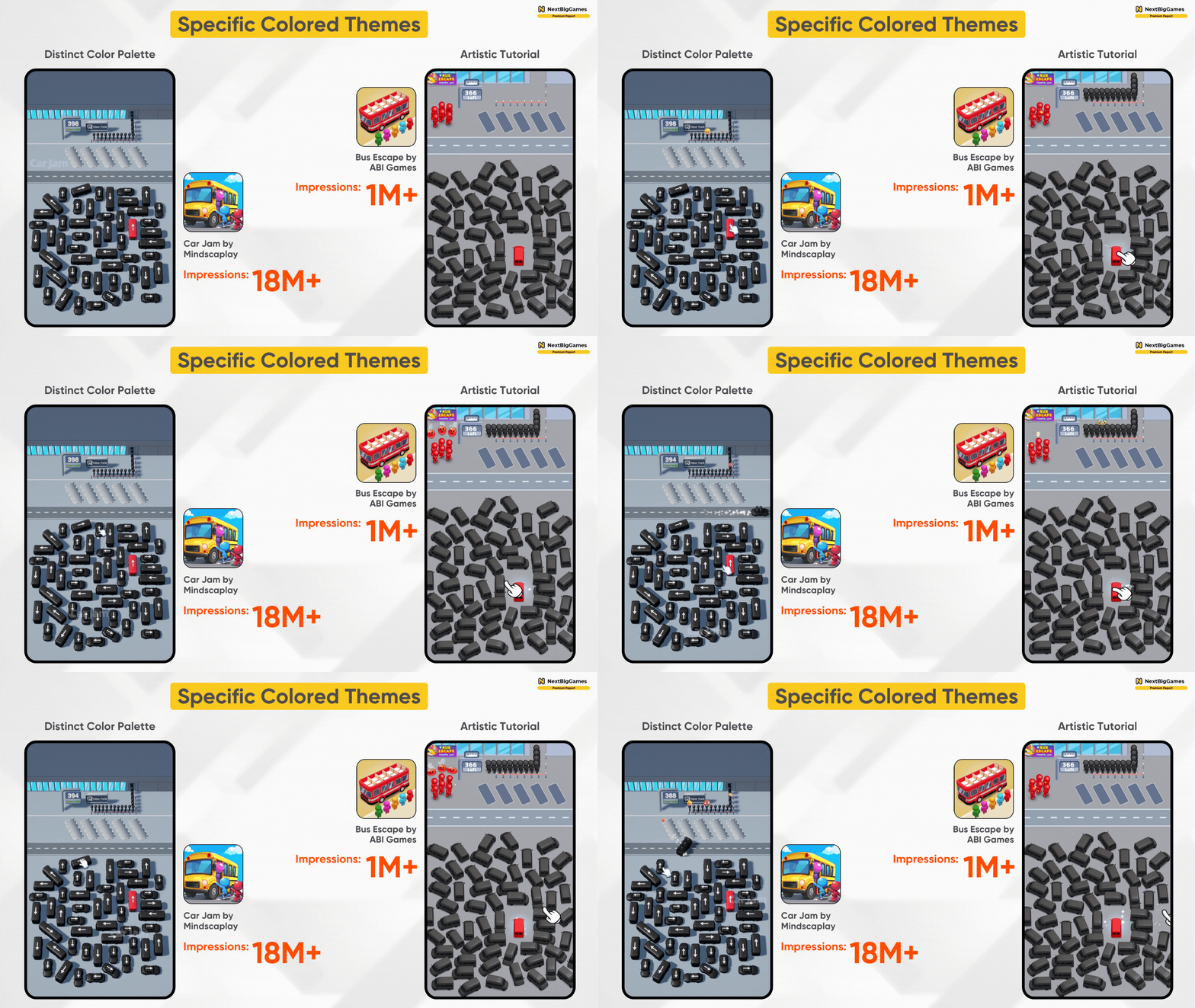
4. Specific Color Themes
These ads manipulate color schemes to draw attention to specific elements. Either the entire color palette is altered for aesthetic appeal, or selective coloring is used—like painting all cars black except for one red car—to highlight key objects or actions, making them stand out visually.
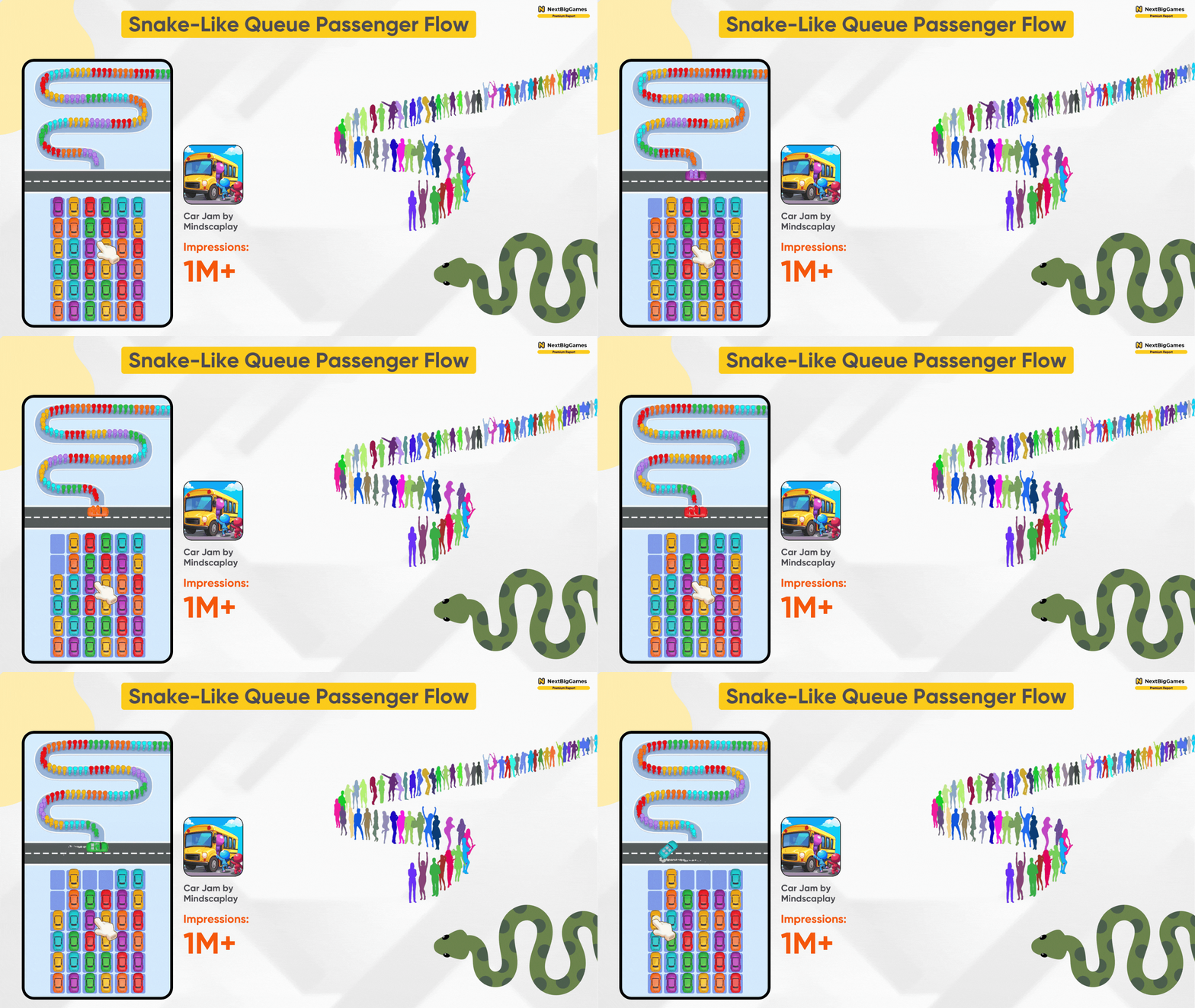
5. Snake-Like Queue Passenger Flow
These ads simulate a long, winding queue—often at airports, stations, or service counters—where characters move in a smooth, snake-like formation. The flowing motion is visually satisfying and instantly recognizable from real-life experiences, which makes the ad relatable. As the queue grows or becomes chaotic, the viewer’s curiosity increases, encouraging them to keep watching to see how the player will navigate or optimize the situation. This mechanic effectively highlights puzzle-solving, time-management, or strategy gameplay.
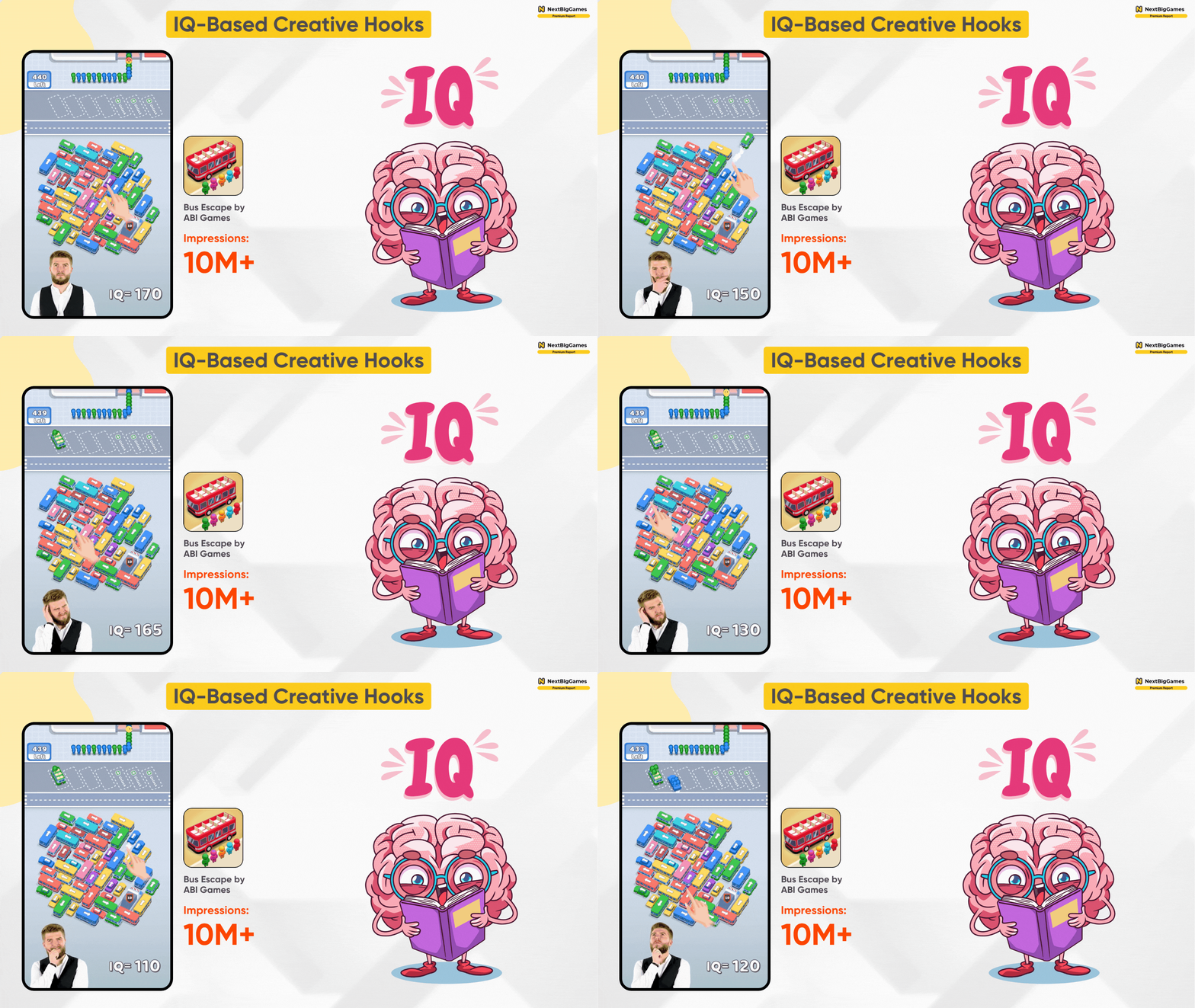
6. IQ-Based Creative Hooks
IQ-based hooks use puzzles or quick decision-making scenarios to make viewers feel like they are being tested. These ads often present a challenge—like choosing the right tool, solving a simple equation, or making a logical move—and frame it as an “IQ test.” Even when the task is intentionally easy, viewers feel compelled to answer it mentally, which increases engagement. The format triggers curiosity and competitiveness, pushing viewers to watch longer or click through to “prove” they can do better than what the ad shows.
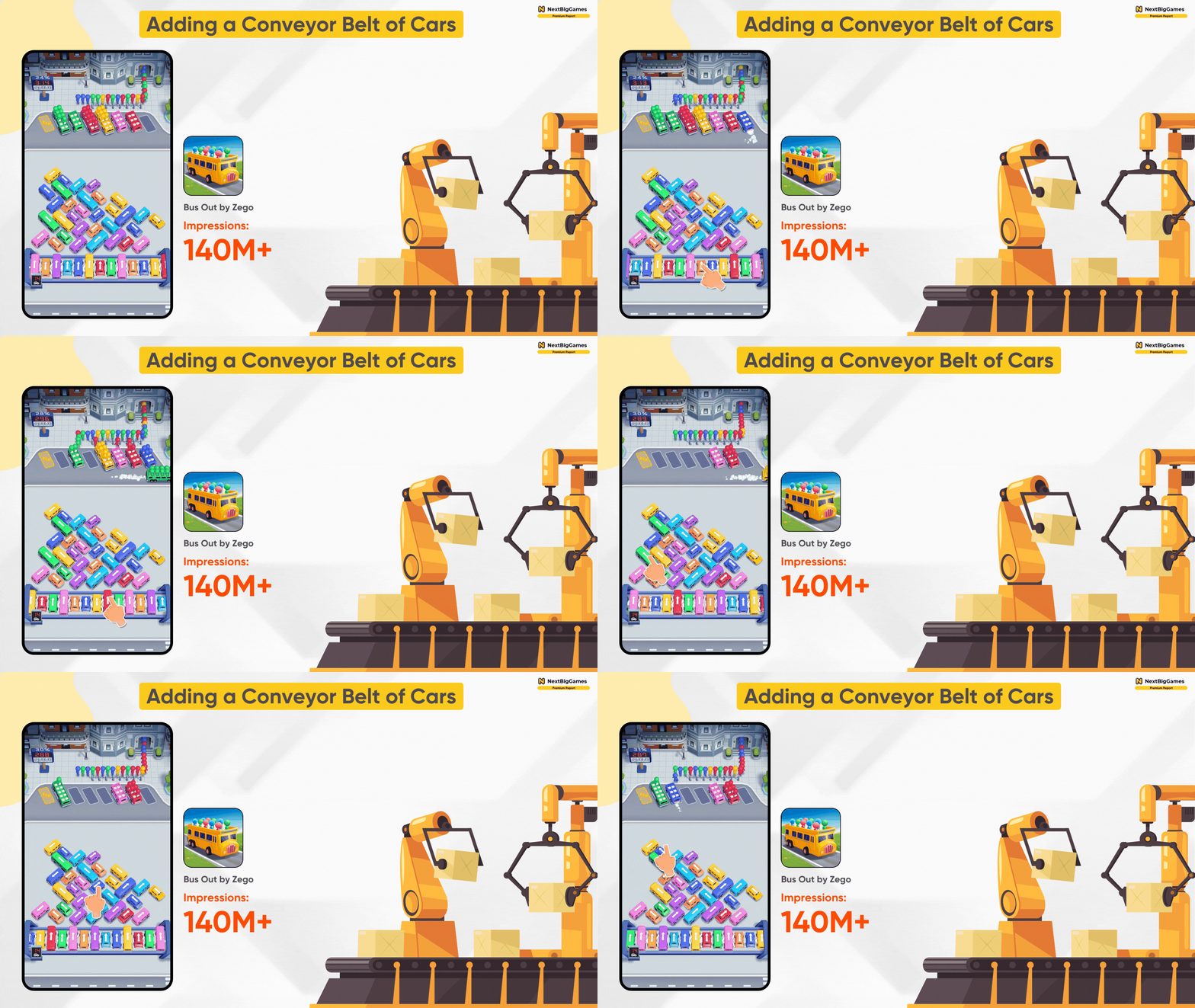
7. Adding a Conveyor Belt of Cars
These ads introduce a conveyor-like stream of cars moving continuously through the scene. This motion creates a sense of flow and anticipation as viewers wait to see what happens next—whether cars need to be sorted, merged, painted, or avoided. The endless motion adds a mechanical rhythm to the ad, making it visually satisfying and easy to follow. The setup highlights the game’s core loop and progression, especially in merge, organization, or timing-based gameplay.
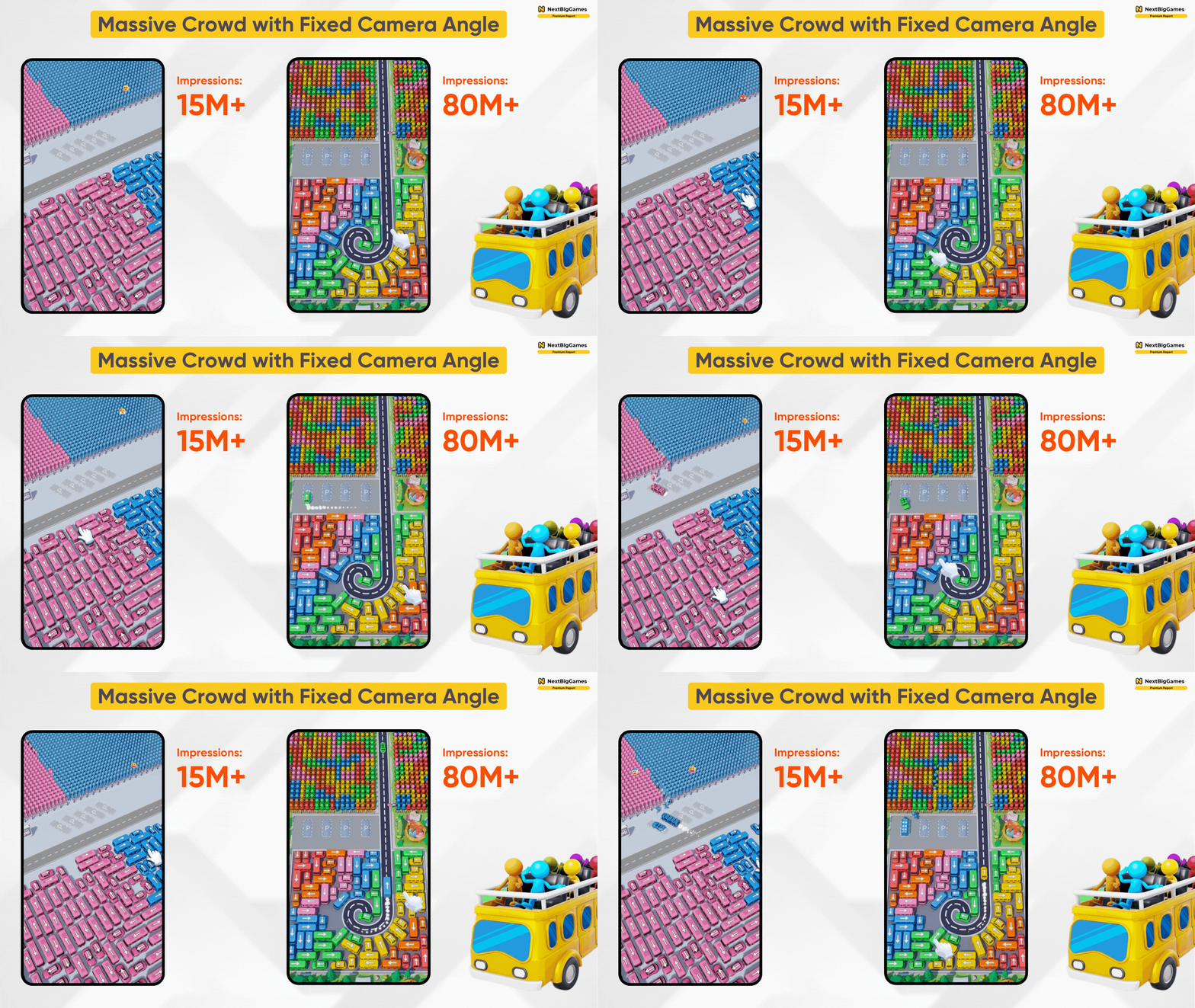
8. Massive Crowd with Fixed Camera Angle
This style focuses on showing huge groups of characters from a static, top-down or isometric camera angle. The fixed viewpoint allows viewers to absorb the scale of the crowd and the chaos or order within it. Whether characters are running, merging, fighting, or forming patterns, the sheer volume of on-screen action captures attention. The approach works particularly well for games that emphasize strategy, survival, or crowd-control mechanics, as it visually communicates progression and power.
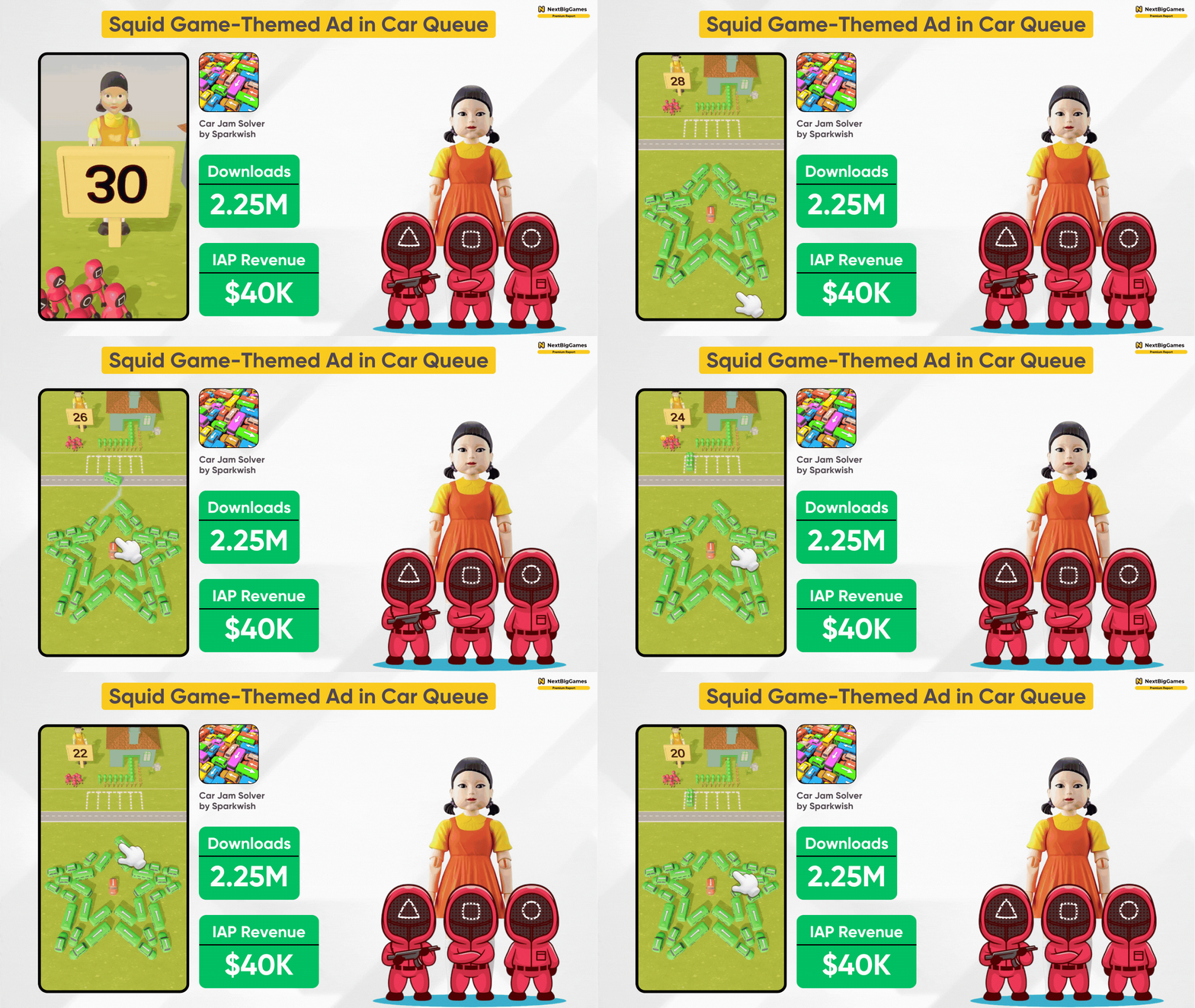
9. Squid Game-Themed Ad in Car Queue
These ads blend popular culture with familiar gameplay scenarios by referencing Squid Game mechanics—like “Red Light, Green Light”—within a car queue setting. The recognizable theme instantly hooks viewers due to its viral appeal. When players must stop, wait, or escape danger during traffic movements, the tension mirrors the original show’s suspense. By borrowing this iconic structure, the ad delivers high engagement while cleverly showcasing timing-based gameplay loops.
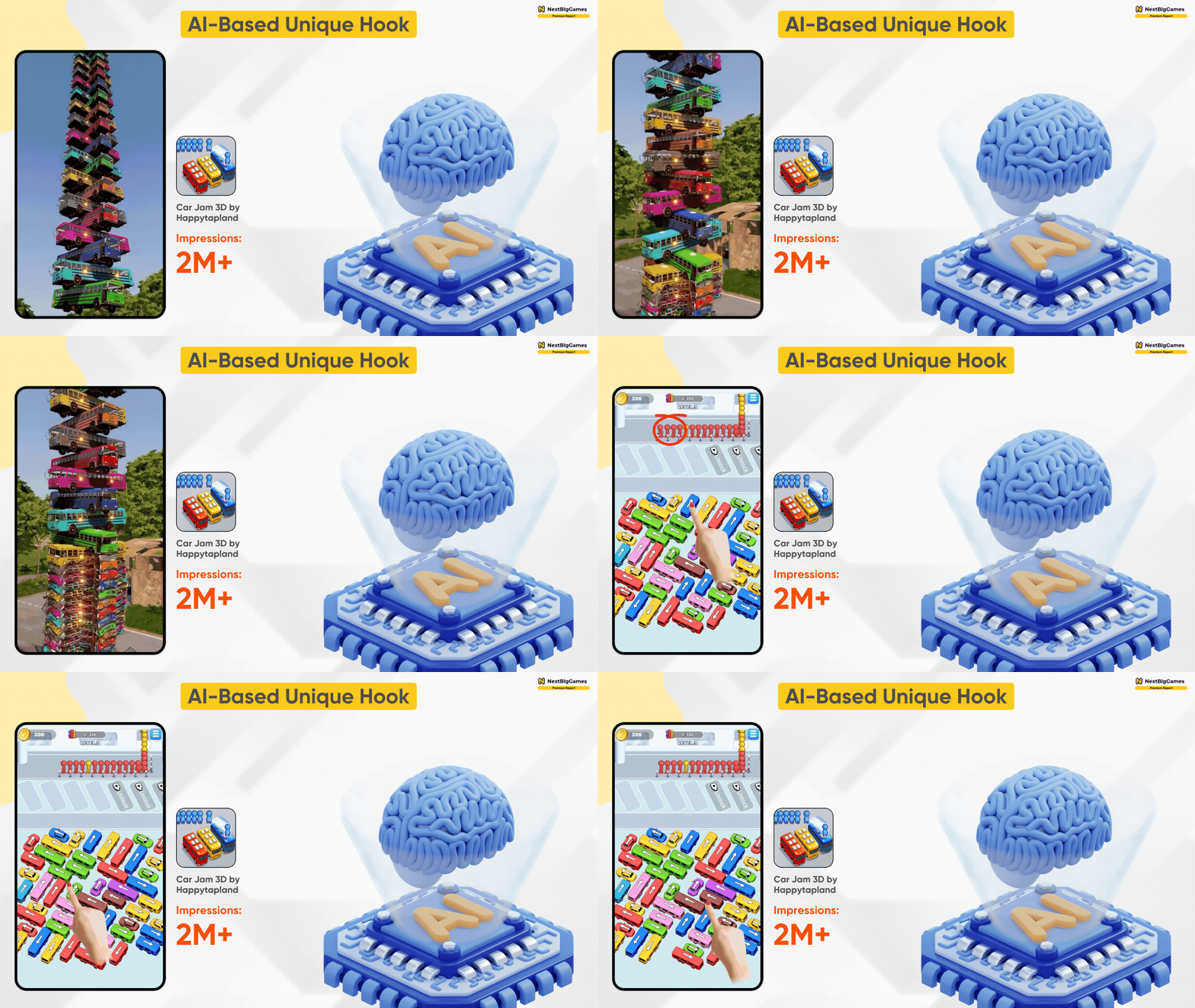
10. AI-Based Unique Hook
AI-driven hooks use generative visuals, unpredictable outcomes, or “AI deciding the next move” angles to make the ad feel futuristic and unique. The randomness introduced by AI—such as unexpected character behavior, environment changes, or choices—creates surprise and novelty, keeping viewers engaged. These ads often highlight how the game can evolve dynamically, appealing to users who enjoy creativity, unpredictability, or visually experimental concepts.
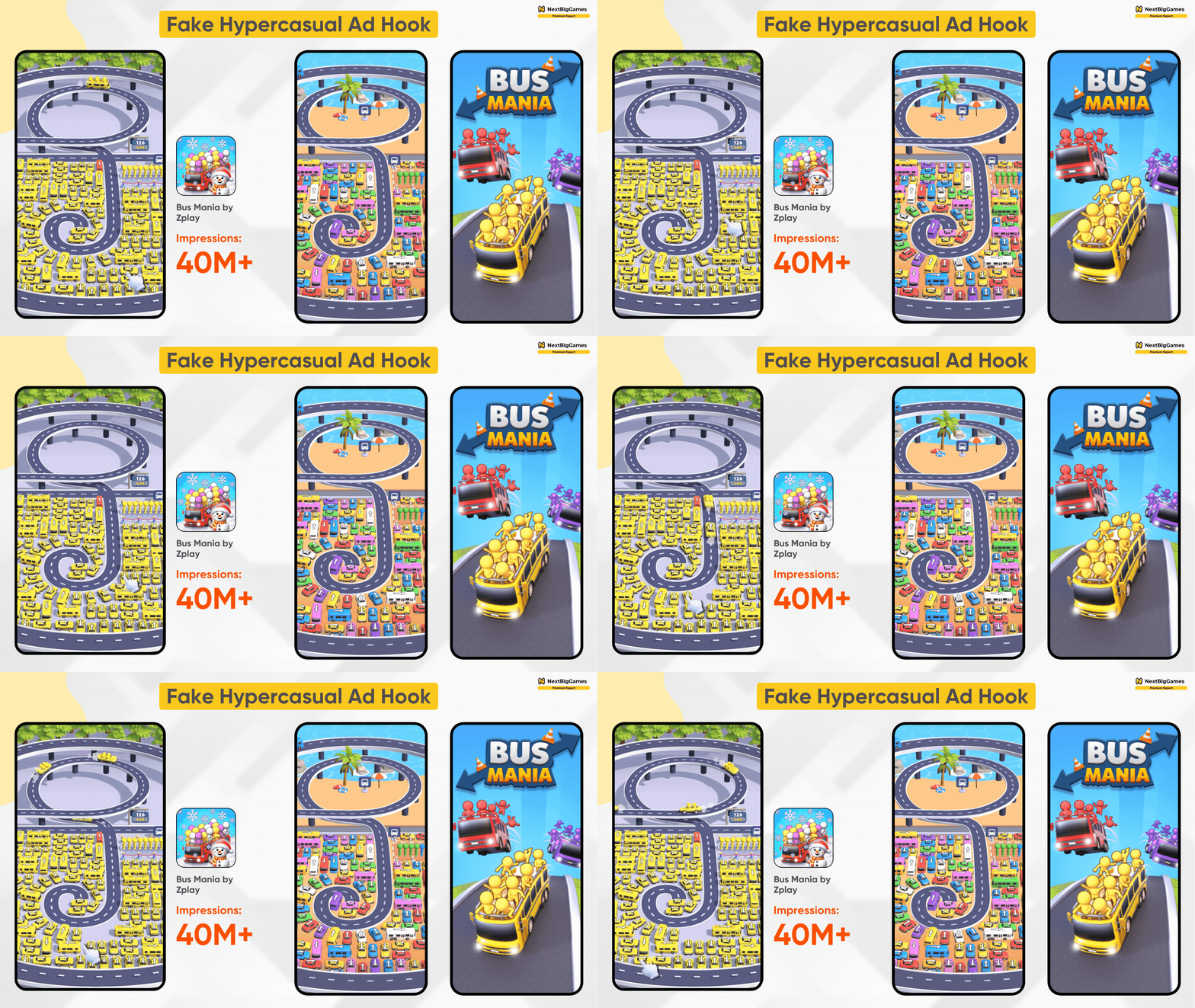
11. Fake Hypercasual Ad Hook
This style imitates the classic hypercasual ad format but intentionally exaggerates or “fakes” certain elements—like overly simple puzzles, impossible levels, or dramatic fails. These ads play on the viewer’s expectations by showing unrealistic scenarios that feel humorous or intentionally misleading. The irony captures attention and encourages viewers to watch longer, especially as the ad transitions into the actual gameplay. This approach works well to break the monotony of typical hypercasual ads and stand out in competitive feeds.
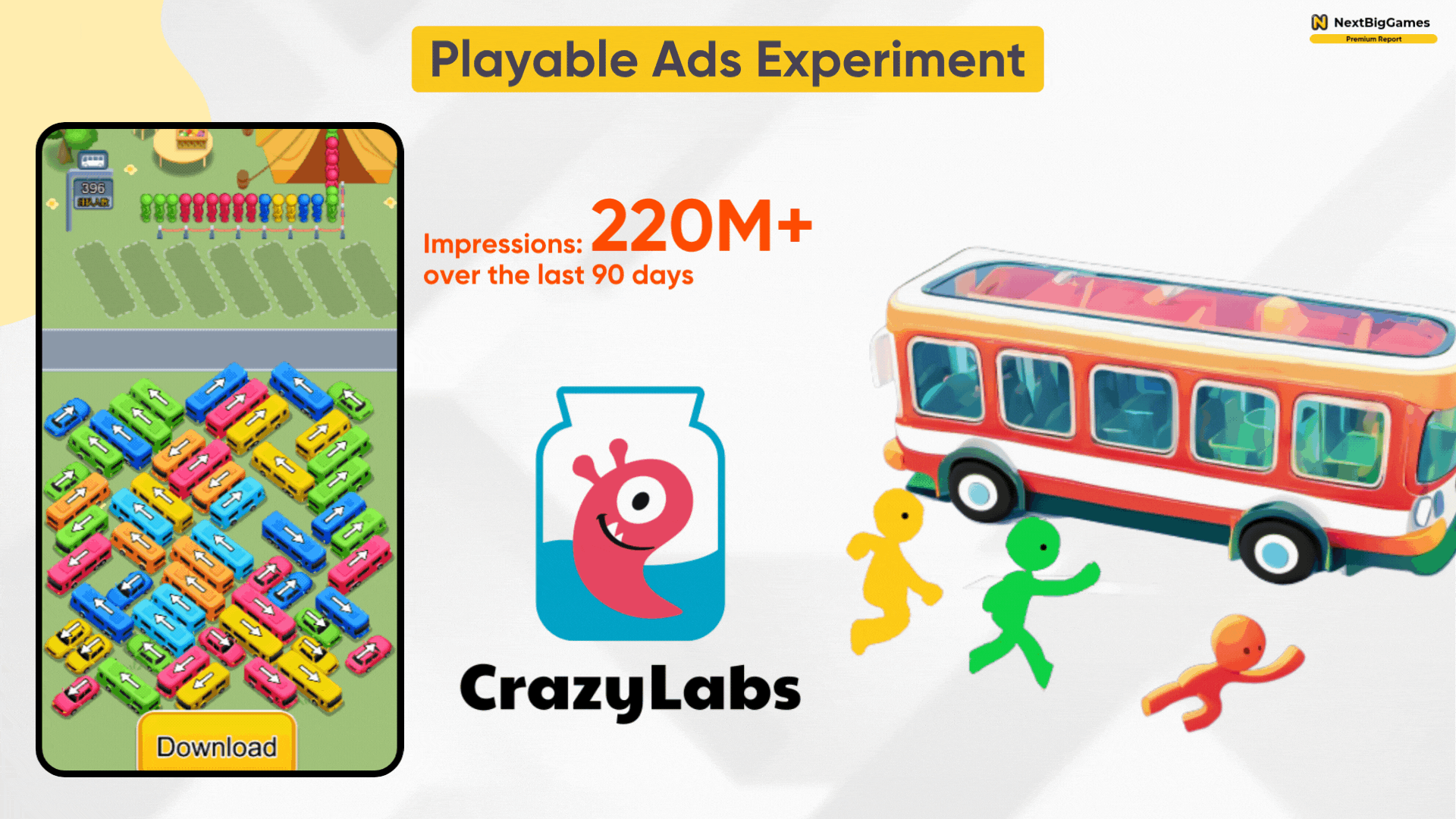
12. Playable Ads Experiment
Playable ads allow users to interact directly with a mini-version of the gameplay within the ad. Instead of passively watching, viewers get a hands-on experience—dragging, tapping, swiping, or making choices. This interactivity dramatically increases engagement and gives a realistic preview of the game’s mechanics. Even when simplified, playable segments create a strong sense of immersion and often lead to higher-quality installs because players already understand and enjoy the gameplay before downloading.
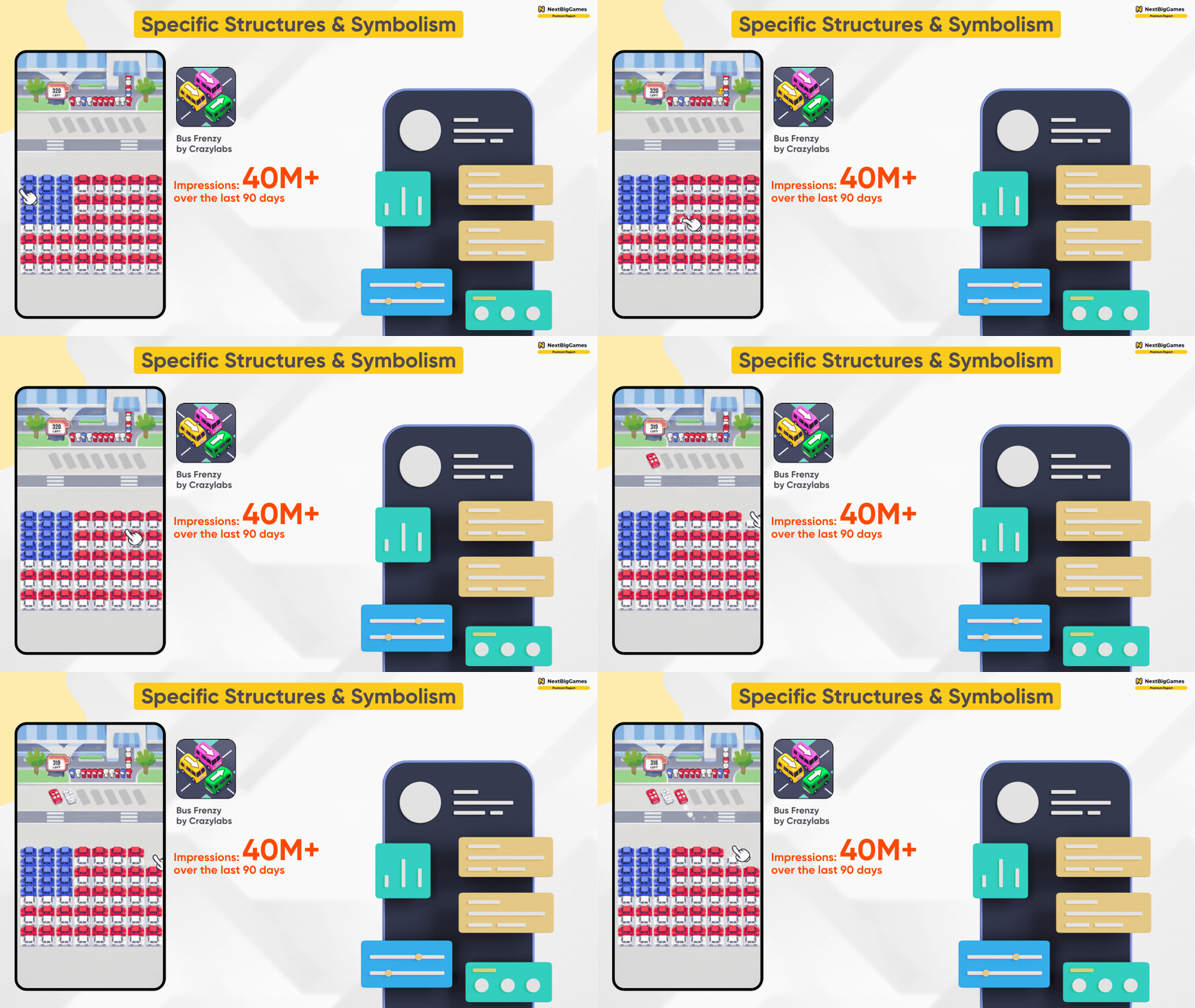
13. Specific Structures & Symbolism
These ads use visually strong structures—like bridges, towers, mazes, or symbolic shapes—to instantly communicate the game’s core challenge. For example, showing a collapsing bridge hints at survival mechanics, while symmetrical mazes signal puzzle-solving. Symbolism can also evoke emotions or themes, such as danger, power, or progression. By anchoring the ad around a meaningful visual element, the creative becomes more memorable and helps viewers quickly understand what the game is about.