Pricing a game on Steam in 2025 is no longer a simple revenue decision. It’s a positioning signal—one that shapes how players discover your game, how they evaluate it, and whether they even click through to the store page.
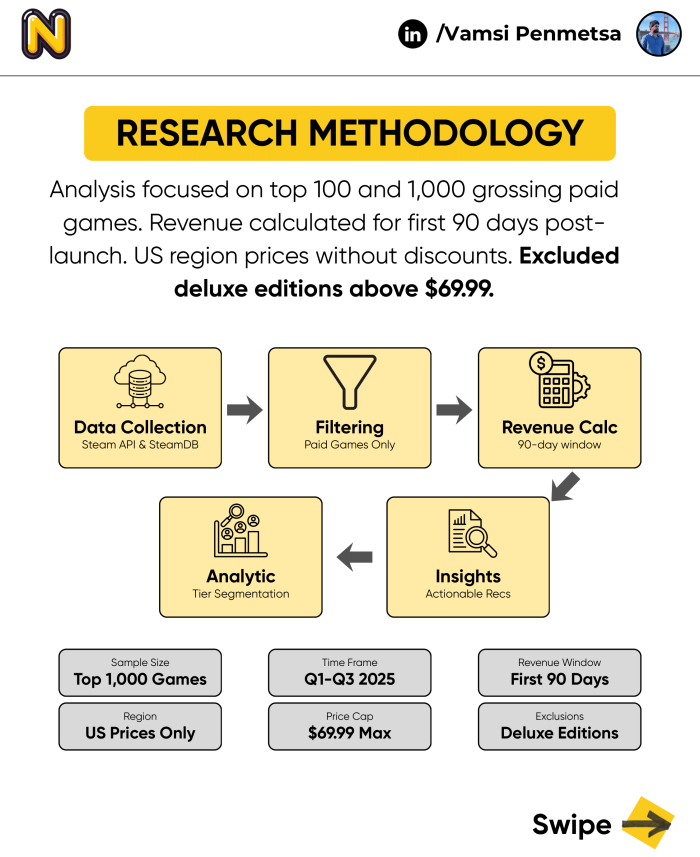
Based on AppMagic’s analysis of more than 18,500 Steam games launched between January and September 2025, clear patterns are emerging around what prices work, for whom, and why.
The Steam Market in 2025, by the Numbers
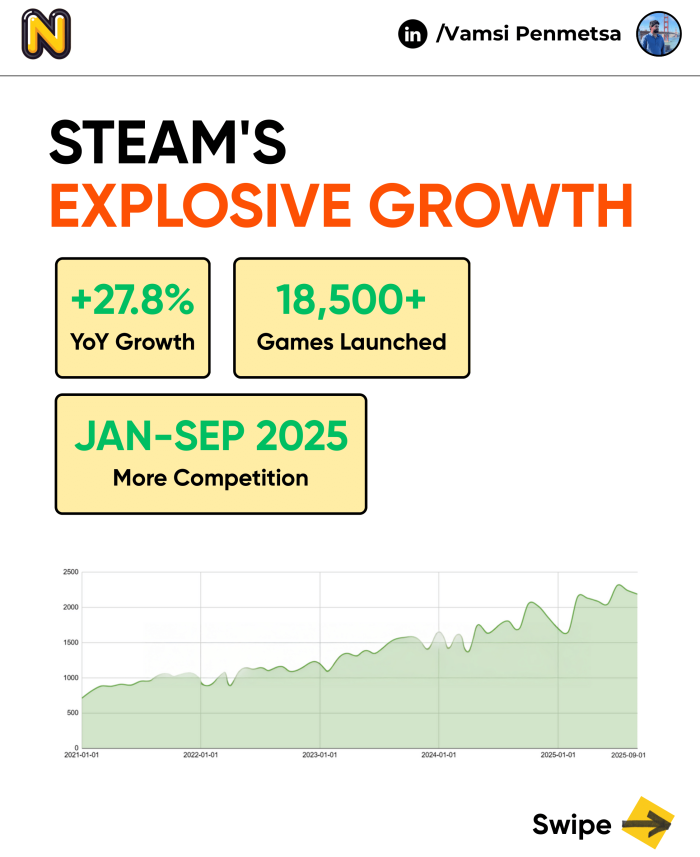
The volume of releases continues to accelerate:
18,500+ games launched in Q1–Q3 2025
+27.8% year-over-year growth
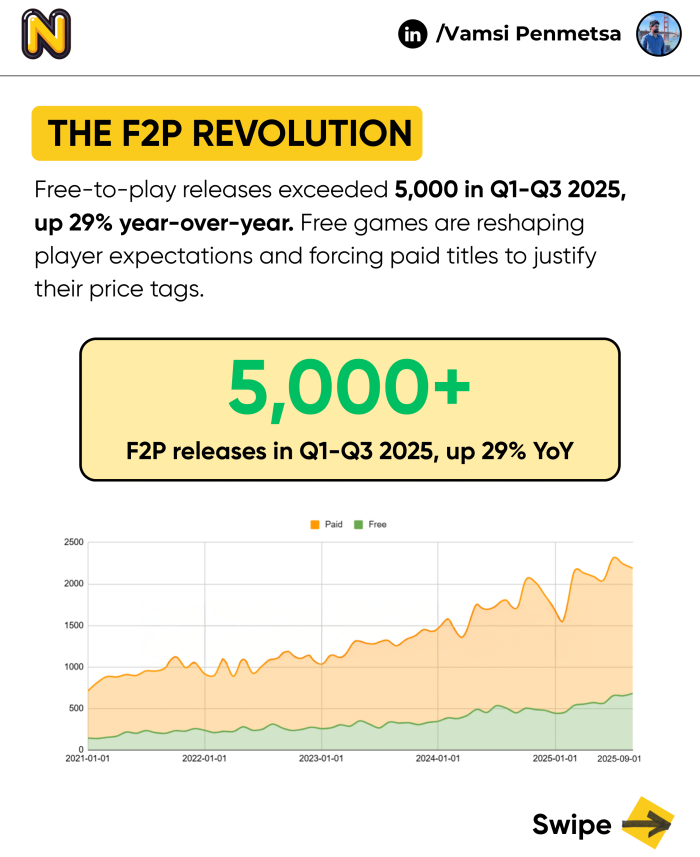
Free-to-play titles up 29%, now exceeding 5,000 releases
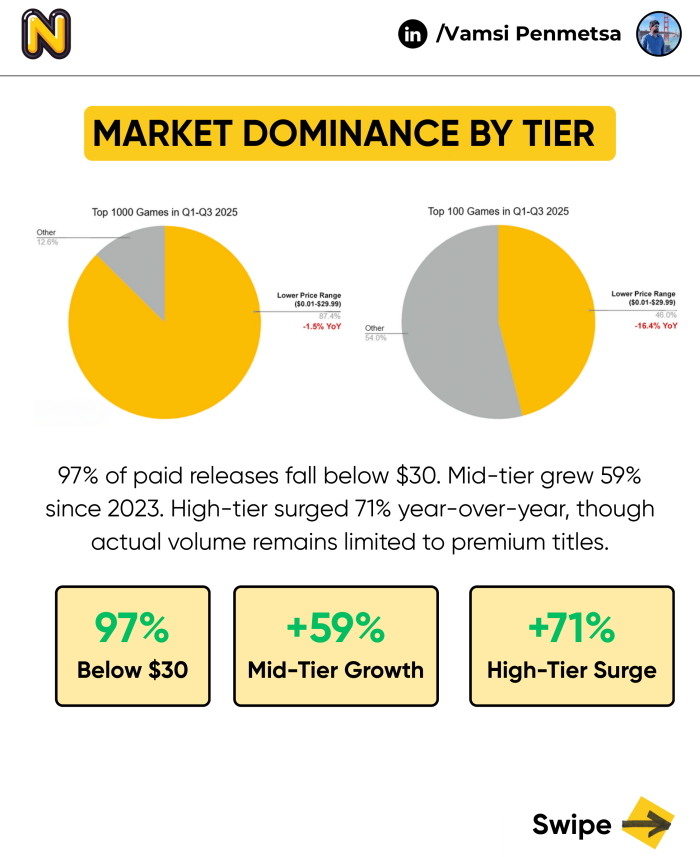
97% of paid games priced under $30
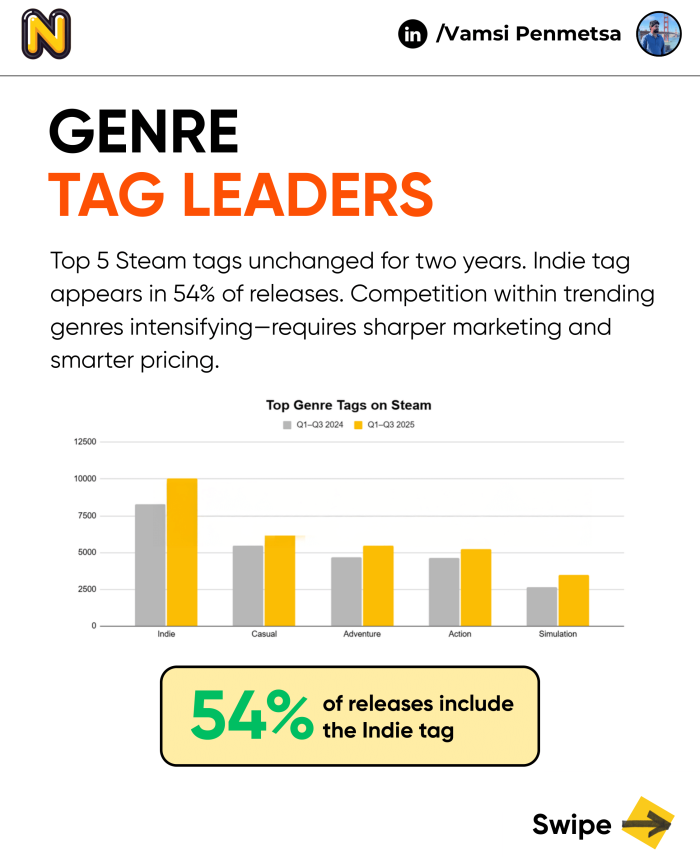
The takeaway is immediate: competition is intense, and pricing has become one of the strongest filters players use before engaging with a game at all.
Where Winning Prices Cluster
Across the top-performing games, several price tiers consistently stand out.
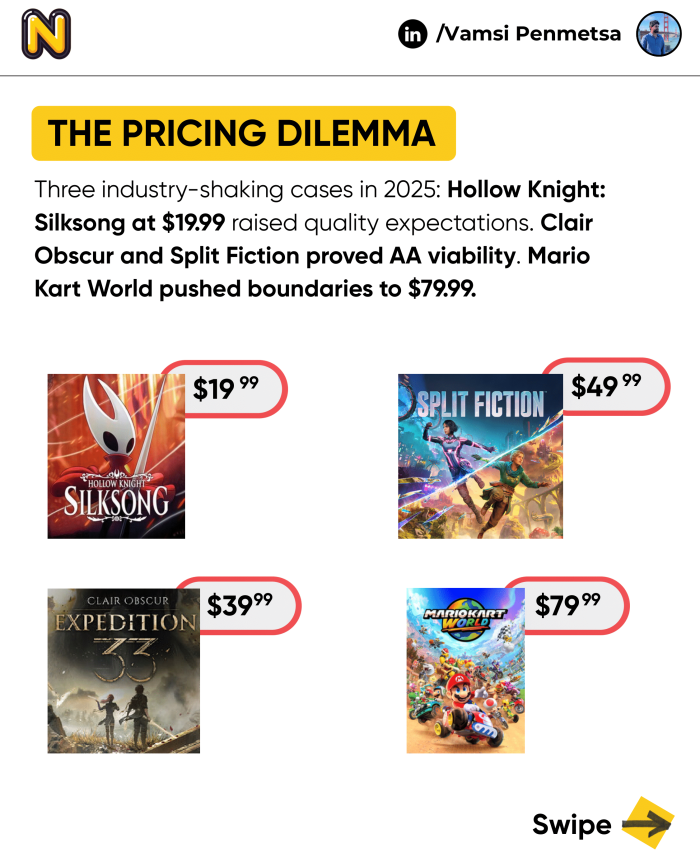
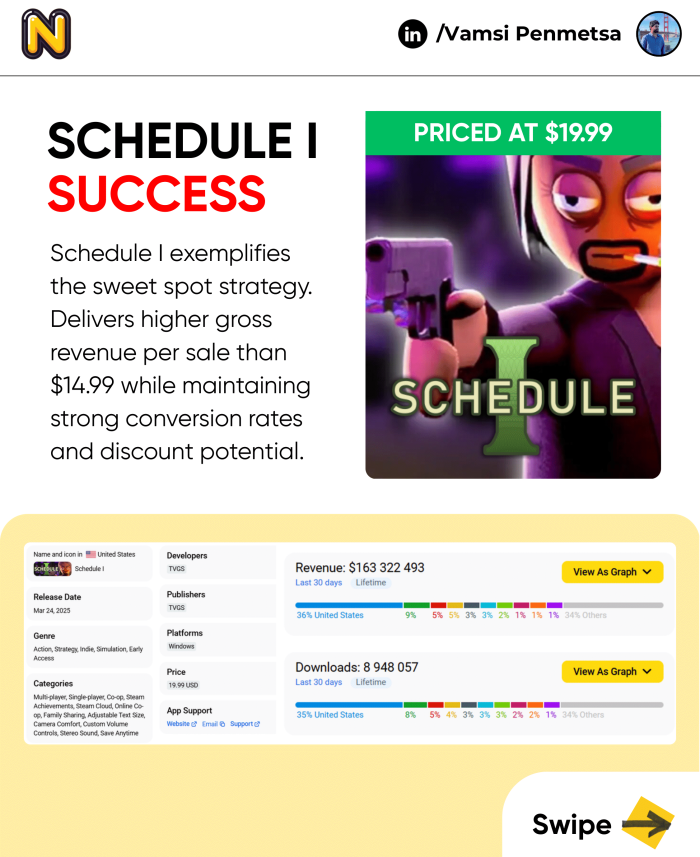
$19.99 – The Indie Default
This remains the most reliable price point for indie developers. It’s strongly represented in the top 1,000 games and works particularly well for platformers, narrative titles, and RPGs. Players see it as a fair balance between depth and accessibility.
$14.99 – The Low-Friction Entry
Often used to reduce hesitation, this tier benefits from strong wishlist-to-purchase conversion. It’s especially effective for new IPs that need to overcome trust barriers.
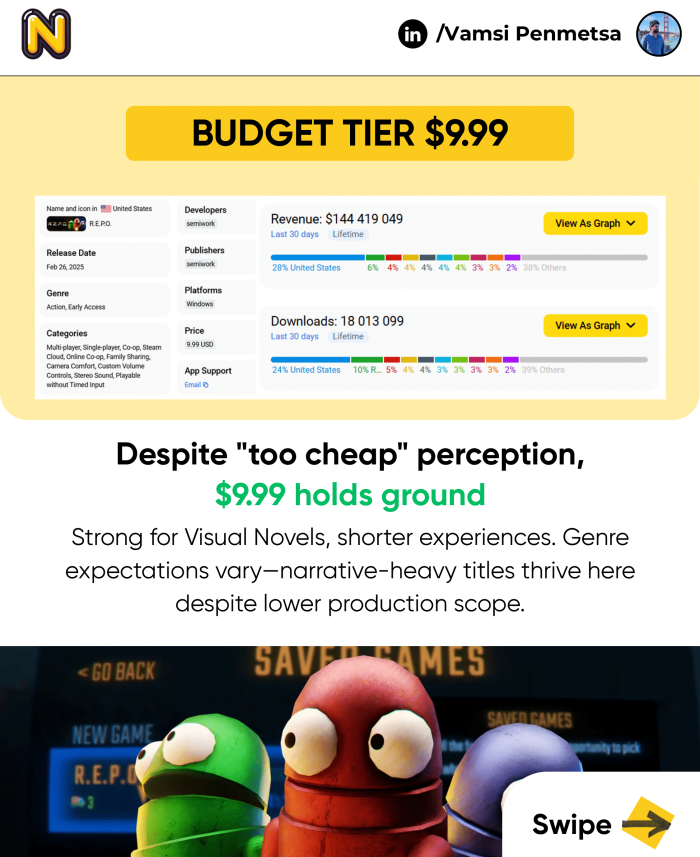
$9.99 – The Budget Sweet Spot
Best suited for shorter or more focused experiences such as visual novels or experimental titles. Expectations are lower, but volume can compensate if the game resonates.
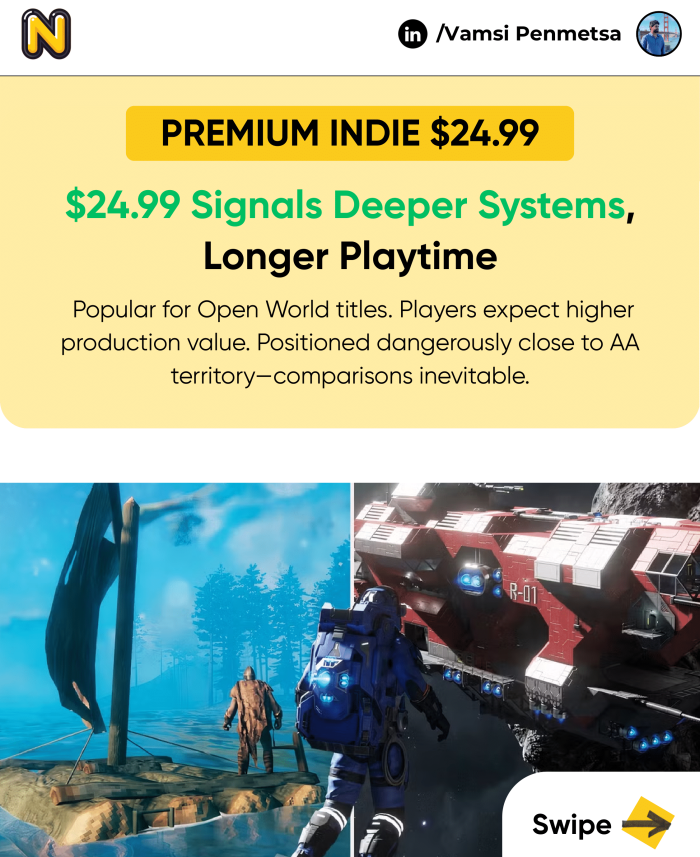
$24.99 – Premium Indie Territory
This tier signals deeper systems and longer playtime—but it’s risky. It sits uncomfortably close to AA pricing, where comparisons become harsher and player expectations rise sharply.
What the Data Makes Clear
Several broader trends stand out from the 2025 data:
Free-to-play is reshaping expectations
Nearly 30% of new releases are now free, forcing paid games to justify their price more clearly than ever—through scope, polish, or brand trust.
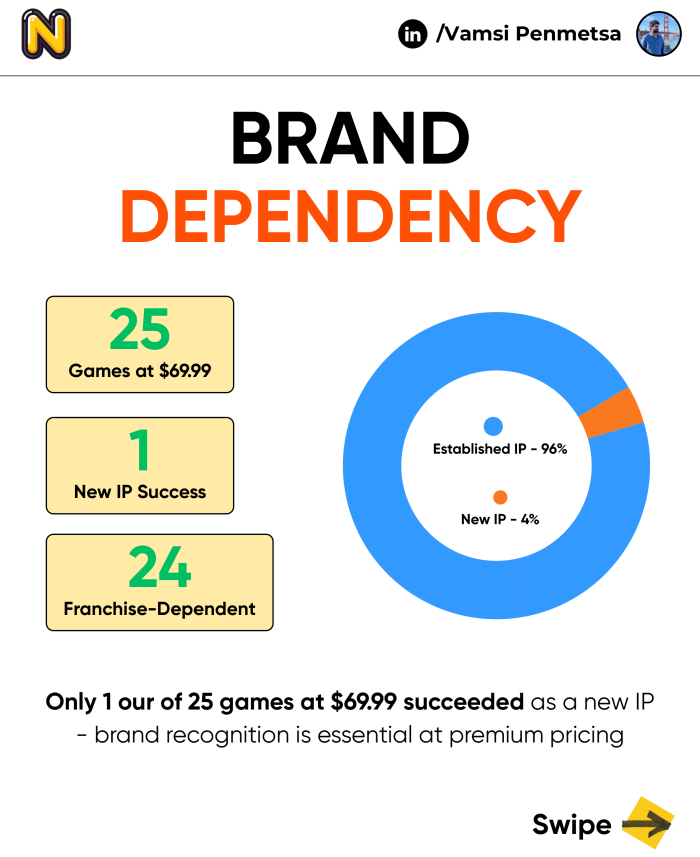
Brand power dominates at $69.99
Premium pricing is almost exclusively reserved for established franchises. Among new IPs, success at the highest tier is extremely rare.
Sub-$30 games drive the market
Around 87% of top-1,000 revenue comes from games priced below $30, reinforcing that Steam remains a value-driven ecosystem.
The middle and top ends are growing—but selectively
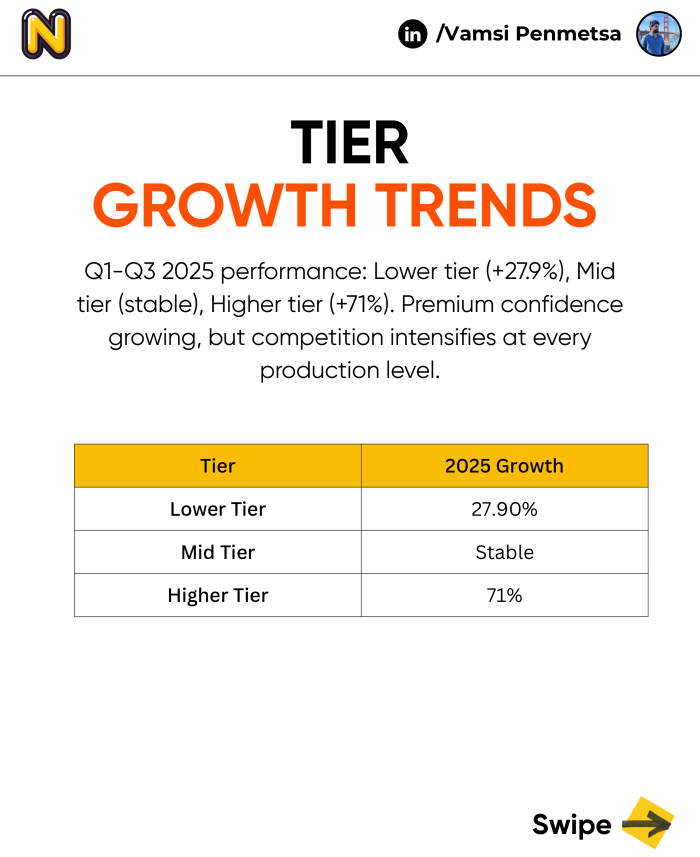
Since 2023, mid-tier pricing has grown by 59%, while the AAA tier surged 71%. Growth exists, but it’s concentrated among teams that can meet higher expectations.
Pricing Is Part of Game Design
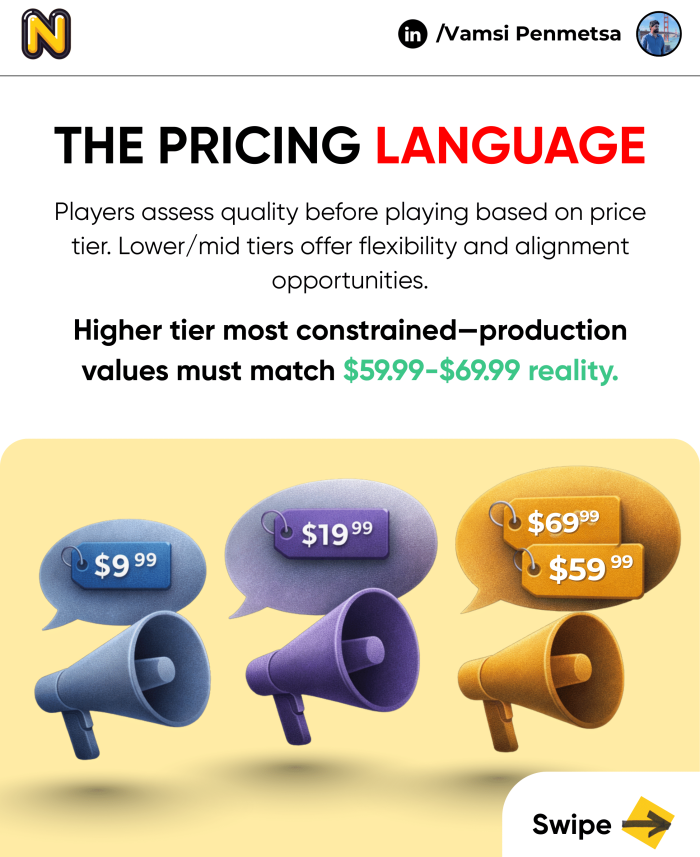
The most important insight isn’t which price wins—it’s that price shapes perception before gameplay ever does. It affects discovery, click-through rates, comparison sets, and player expectations.
In a store as crowded as Steam, pricing is no longer just about revenue optimization. It’s about telling players what kind of experience they’re about to get.
The Bottom Line
In 2025, guessing your Steam price is a mistake. Data-driven pricing decisions consistently outperform intuition, especially as free-to-play expands and competition intensifies.
Your price doesn’t just determine what players pay—it determines who shows up at all.
A deeper breakdown of pricing tiers, case studies, and practical recommendations based on AppMagic’s research is available in the full carousel.