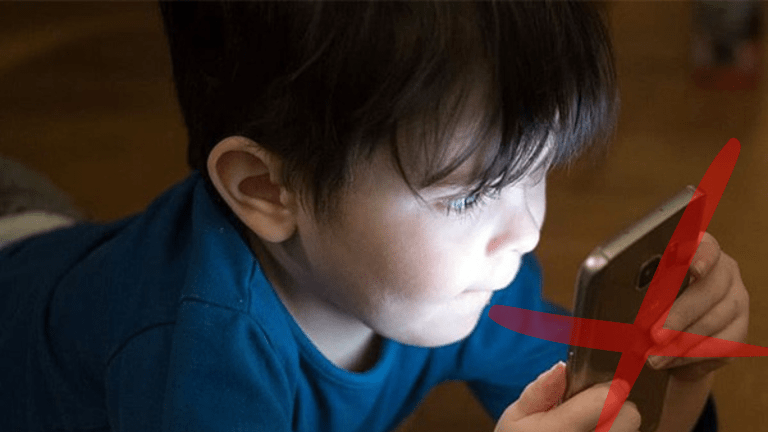
What started as a single-country policy move is quickly turning into a global regulatory trend. After Australia introduced a ban on social media access for users under 16, several other countries are now moving in the same direction—signaling a broader shift in how governments approach youth online safety.
The Regulatory Wave Is Gaining Momentum
Australia’s new law places strict obligations on major social platforms, including Facebook, Instagram, TikTok, YouTube, Snapchat, Reddit, X, Threads, and Kick. Companies face fines of up to AUD 50 million ($33m) if they fail to take reasonable steps to remove accounts belonging to users under 16.
That move is no longer isolated:
Denmark plans to introduce a ban for users under 15 by mid-2026
Norway is preparing similar age-based restrictions
Malaysia is moving toward a nationwide under-16 ban
The European Union is actively debating enforcement gaps and next steps
This is shaping up to be a coordinated regulatory shift, with 2026 emerging as a likely tipping point.
Why This Matters for Mobile Gaming
For years, social media platforms have served as the primary discovery engine for games, especially among younger audiences. TikTok clips, YouTube creators, Instagram reels, and Reddit communities have driven installs, trends, and cultural relevance.
That discovery pipeline is now under pressure for under-16 users.
Importantly, this doesn’t mean younger audiences disappear from the internet. It means their behavior moves elsewhere.
Where That Behavior Is Going
As access to traditional social platforms tightens, games are increasingly absorbing the same behaviors:
Multiplayer modes function as group chats
Guilds, clans, and parties replace social feeds
In-game UGC and mods mirror short-form content discovery
LiveOps updates replace social announcements
Game creators and streamers become the new influencers
For Gen Z and Gen Alpha, games are no longer just content—they are becoming the platform itself.
User Acquisition Shockwaves Ahead
Studios heavily dependent on TikTok-first, creator-led, or organic social UA should expect disruption:
Reduced reach for teen-focused campaigns
Weaker organic virality
Rising CPMs as ad inventory shrinks
Fragmented discovery across platforms
UA diversification is shifting from a growth lever to a survival requirement
Games as Regulated Social Spaces
Governments are unlikely to ignore where social behavior migrates next. If social interaction increasingly happens inside games, games will inherit new responsibilities:
Age verification requirements
Stronger moderation expectations
Compliance built into product design
Safety systems treated as core mechanics
China has already imposed limits on youth gaming time. Europe is now tightening social access. Asia is watching closely.
Different approaches—but the same destination.
The Bigger Picture
This isn’t just a social media story. It’s a structural shift in youth digital behavior.
As social platforms face tighter regulation, games are evolving into always-on social environments—and that brings both opportunity and responsibility. Studios that recognize this early will be better positioned to adapt their products, communities, and acquisition strategies to a world where games are no longer just entertainment, but infrastructure.