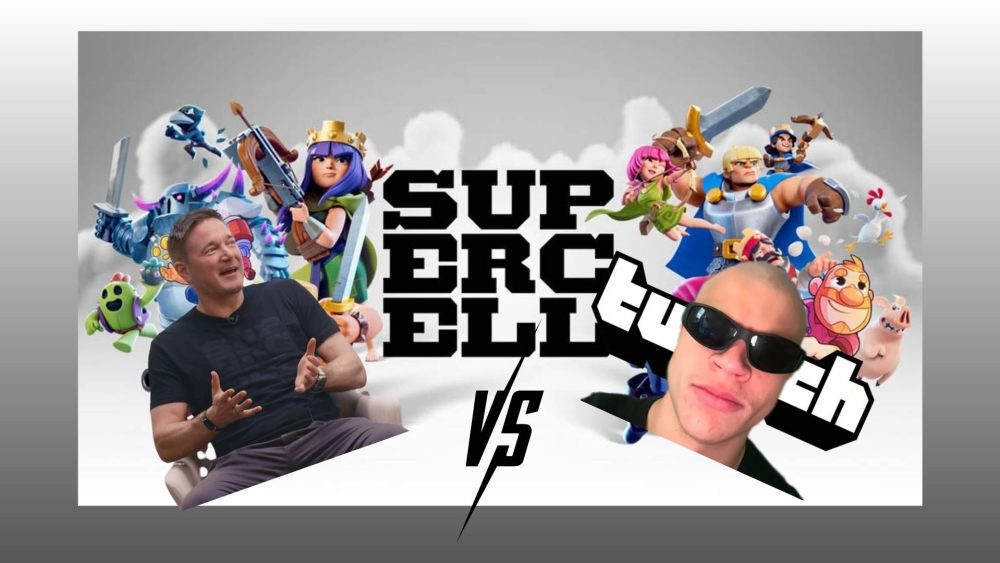
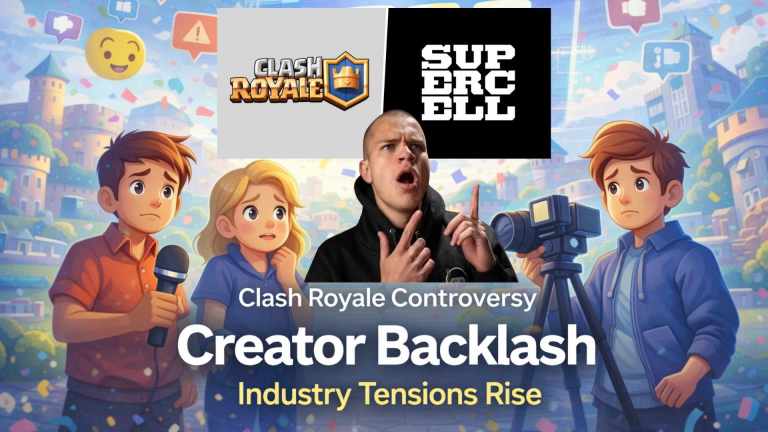
The Supercell Clash Royale controversy erupted after CEO Ilkka Paananen published his annual blog post highlighting the game’s 2025 resurgence — without directly crediting content creators who many believe fueled that comeback.
Clash Royale generated an estimated $646.8 million in 2025, up nearly 148% year-over-year, according to AppMagic estimates. The company reported that new players grew nearly 500% while re-engaged users doubled. In his post, Paananen credited feature updates, progression changes, and the Barboltian campaign as key drivers.
But for many creators, that narrative felt incomplete.
The backlash centered around one core issue: while the blog referenced community sentiment and word-of-mouth discovery, it did not explicitly acknowledge the role of high-profile streamers — particularly Twitch personality Jynxzi — whose return to the game reignited mainstream visibility and engagement.
🔥 Jynxzi Calls Out Supercell
Twitch streamer Jynxzi, who commands over 8.9 million followers, publicly criticized the omission. Taking to social media and live streams, he described the blog post as “probably the biggest spit in the face I’ve ever seen.”
During a stream, he expressed frustration that the company appeared to take sole credit for what many viewed as a creator-driven revival.
Even YouTube creator MrBeast weighed in, replying that he only started playing again because of Jynxzi.
The controversy escalated as clips circulated across social platforms, turning the Supercell Clash Royale controversy into a broader discussion about creator influence in live-service game growth.
📉 Revenue Dip Adds Fuel to the Debate
The tension intensified when January 2026 revenue estimates showed a sharp drop. AppMagic data indicates Clash Royale generated approximately $37 million in January, down nearly 49% from December.
While seasonal fluctuations are common, the timing added momentum to the narrative that creator engagement plays a critical role in sustaining live-service performance.
Paananen himself acknowledged in the original blog post that parts of the Clash Royale community had been frustrated with recent changes, warning that “virtuous growth can turn into a vicious cycle.”
📝 Supercell CEO Issues Public Apology
Following the backlash, Paananen updated the blog post with a direct apology.
In the new statement, he admitted failing to properly acknowledge creators, professional players, and the broader community. He took full responsibility, stating the omission “runs counter to everything I believe about the impact creators have on our games.”
The updated message explicitly credited creators like Jynxzi for helping restore Clash Royale’s cultural relevance and attracting new players — including major influencers.
The Supercell Clash Royale controversy shifted quickly from accusation to reconciliation once the apology was published.
🎥 The Bigger Picture: Creators as Growth Engines
This episode highlights a larger industry shift: content creators are no longer just marketing amplifiers — they are core growth drivers in modern live-service ecosystems.
For games like Clash Royale, creator momentum can:
Studios that treat creator ecosystems as secondary risk missing the reality of today’s distribution model.
The Supercell Clash Royale controversy ultimately became less about one blog post and more about recognition — recognition that community-driven growth is often as powerful as product-driven innovation.