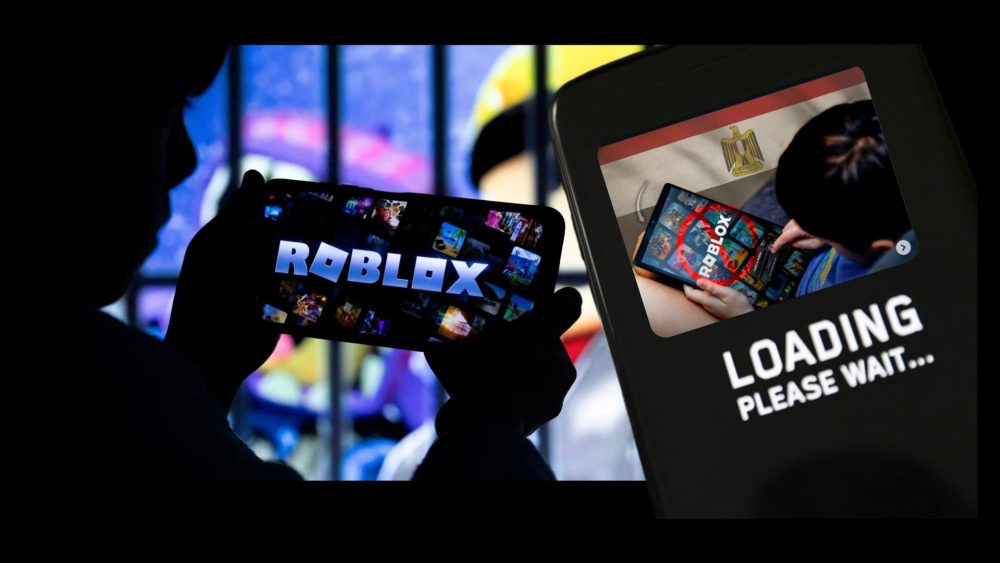
Egypt blocks Roblox as authorities intensify scrutiny over online platforms used by minors, citing concerns around harmful content, psychological risks, and insufficient age protections.
The Supreme Council for Media Regulation announced the decision during a Senate plenary session, where officials discussed the broader impact of internet and gaming platforms on children’s moral and educational well-being. The council is now coordinating with the National Telecommunications Regulatory Authority to enforce the restriction through local internet service providers.
This move signals more than a platform-specific ban — it reflects rising regulatory pressure across emerging markets demanding stricter digital safeguards for minors.
🛡️ Why Egypt Blocks Roblox Now
Lawmakers highlighted several concerns tied to Roblox’s open ecosystem, including:
Exposure to inappropriate or sexually explicit content
Direct messaging between minors and strangers
In-game spending mechanics targeting young users
Ongoing international legal cases involving the platform
Senator Walaa Hermas Radwan called for tighter oversight of online gaming platforms, urging stronger enforcement tools to protect children from psychological and behavioral risks.
The decision to block Roblox follows broader debates across Egypt about regulating digital environments where moderation and parental oversight are perceived as inconsistent.
📜 What Could Happen Next
Beyond the immediate restriction, Egypt may introduce wider digital platform reforms, including:
Unified age classification systems
Stronger age verification requirements
Mandatory local representation for global platforms
Penalties for non-compliant companies
If implemented, these measures could reshape how international gaming platforms operate within the Egyptian market.
The fact that Egypt blocks Roblox may be the first visible step in a more comprehensive regulatory framework targeting child safety in digital entertainment.
🌍 Global Pattern of Child Safety Scrutiny
Egypt is not alone in tightening restrictions.
Roblox has faced limitations in Kuwait, Iraq, and Russia, amid mounting global scrutiny over online child safety. Earlier this month, Australia requested urgent talks with Roblox following reports of grooming incidents and exposure to explicit content.
Governments are increasingly demanding stronger moderation systems, localized compliance teams, and clearer accountability structures from global platforms.
The Egyptian decision adds to that growing regulatory wave.
🤝 Roblox Responds
According to Bloomberg, Roblox has initiated dialogue with Egyptian authorities in an effort to restore access.
A company spokesperson stated:
“We have worked closely with other regulatory authorities to build localized capabilities aligned to their cultural values and based on our shared commitment to safety, and we welcome the opportunity to similarly collaborate with authorities in Egypt.”
Whether collaboration leads to reinstatement will likely depend on Roblox’s willingness to adapt moderation, verification, and compliance structures to local regulatory expectations.
⚖️ Bigger Implications for Gaming Platforms
The decision that Egypt blocks Roblox highlights a growing tension in the gaming industry:
Platforms built on user-generated content and open communication systems are increasingly under pressure to meet national regulatory standards that differ across markets.
For global gaming companies, this signals three clear realities:
Age verification will become stricter
Local regulatory engagement is no longer optional
Child safety compliance is now a market access requirement
As emerging markets mature digitally, regulatory enforcement is catching up quickly.
And for platforms dependent on youth engagement, proactive compliance may soon become as important as growth itself.