Neverness to Everness AI backlash continues growing after developer Hotta Studio responded to accusations regarding the alleged use of generative AI assets within the game.
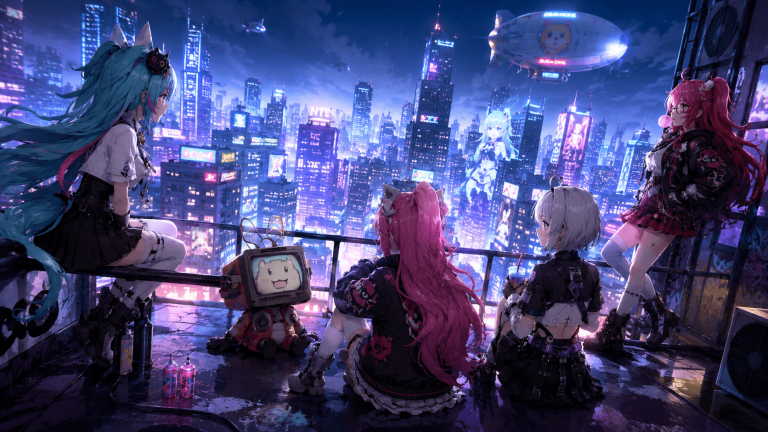
The controversy began after players, streamers, and content creators claimed certain environmental assets and in-game visuals appeared AI-generated.
Following mounting criticism online, Neverness to Everness developer Hotta Studio released a statement acknowledging that AI-assisted tools had been used for “a small number of background and environmental assets.”
The situation has sparked wider debate about transparency, trust, and AI usage in game development.
Neverness to Everness AI backlash escalated after creator criticism
The initial Neverness to Everness AI backlash gained momentum when fans and creators began identifying assets they believed showed signs of generative AI usage.
According to reports and community discussions, suspicious assets allegedly included:
- Billboard artwork
- Environmental textures
- Costume-related visuals
- Background imagery
Several streamers and creators reportedly distanced themselves from promoting the game after the accusations surfaced.
Some voice talent and VTubers also publicly criticized the situation, especially due to concerns about transparency surrounding AI-generated content.
Hotta Studio responds to AI allegations
Hotta Studio eventually issued a public statement responding to the controversy.
The developer stated that AI-assisted tools were used only on a “small number” of environmental and background assets.
However, Hotta emphasized that the game’s:
- Characters
- Story content
- Core gameplay elements
were not generated using AI systems.
The studio also pledged to review the disputed assets and potentially replace them in future updates.
Why the Neverness to Everness AI backlash matters
The growing Neverness to Everness AI backlash reflects broader tensions across the gaming industry regarding generative AI usage.
🎨 Artist concerns
Many players and creators worry AI-generated assets may replace traditional artists and designers.
🤝 Trust and transparency
Communities increasingly expect developers to disclose AI usage openly.
🌍 Ethical debates
Generative AI remains controversial due to concerns around training data, copyright, and environmental impact.
📱 Creator-driven marketing
Games relying heavily on influencers and streamers risk stronger backlash when trust breaks down.
For live-service and gacha games especially, community perception plays a major role in long-term success.
Content creators are critical for modern gacha games
The controversy may be especially damaging because content creators are central to promoting modern open-world RPGs and gacha titles.
Games like:
- Genshin Impact
- Reverse: 1999
- Honkai: Star Rail
all rely heavily on:
- Streamers
- VTubers
- Community creators
- Social media promotion
- Long-term fan engagement
Negative creator sentiment can quickly impact public perception for newer IPs trying to compete in the crowded gacha market.
Neverness to Everness remains highly anticipated
Despite the controversy, Neverness to Everness remains one of the most anticipated upcoming mobile RPGs.
The game attracted attention because of its ambitious blend of:
- Open-world exploration
- Urban environments
- Action RPG combat
- Anime-inspired visuals
- GTA-style traversal systems
Many players viewed the project as a fresh alternative to fantasy-heavy open-world RPGs dominating the genre.
The AI controversy, however, has now become one of the game’s biggest talking points ahead of launch.
Transparency becomes a major issue
A large portion of the criticism surrounding the Neverness to Everness AI backlash focuses less on the existence of AI assets and more on disclosure practices.
Some creators claimed they specifically asked whether AI-generated content was included before promoting the game.
This has intensified community criticism because many players feel transparency should have been prioritized earlier.
In modern live-service gaming, trust between studios and communities often directly impacts:
- Monetization performance
- Player retention
- Influencer partnerships
- Long-term reputation
AI usage in gaming continues expanding
The Neverness to Everness controversy arrives during a period where AI adoption in gaming is rapidly increasing.
Studios increasingly experiment with AI for:
- Asset generation
- Dialogue assistance
- NPC behavior
- Localization
- QA testing
- Marketing production
However, public reception remains highly divided.
Some developers see AI as a production efficiency tool, while critics argue it threatens artistic integrity and creative jobs.
Hotta Studio now faces rebuilding trust
Although Hotta Studio pledged to review and potentially replace the disputed assets, the studio may now face ongoing challenges rebuilding player confidence.
Community trust can be especially important for live-service RPGs where long-term engagement drives monetization.
The controversy may also influence how future publishers and developers communicate AI usage policies more openly moving forward.
Final thoughts
The growing Neverness to Everness AI backlash highlights how sensitive AI-related issues have become across the gaming industry.
While Hotta Studio confirmed only limited AI-assisted asset usage, the controversy demonstrates how strongly players and creators now value transparency regarding generative AI integration.
As AI tools become increasingly common in game development, studios may face greater pressure to clearly disclose where and how those technologies are being used.